
See
View in 2004
See more on Asa Cory
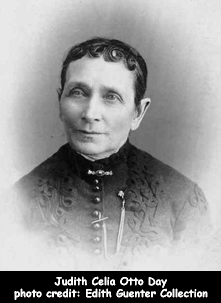
Read article on Judith
Celia Day's Death
Read the Good 'Ol Days
from Frank Shick
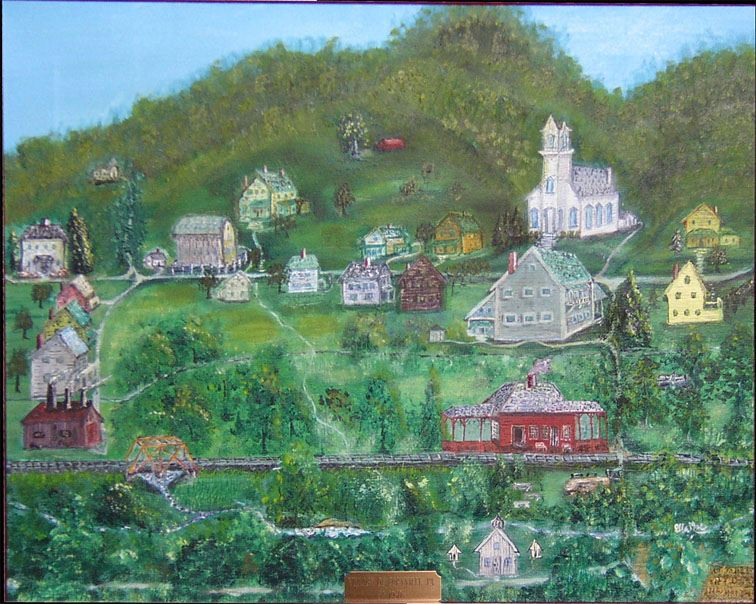
Farmers Valley & Coryville
See
View in 2004
See more on Asa Cory
Read article on Judith
Celia Day's Death
Read the Good 'Ol Days
from Frank Shick
Farmers Valley & Coryville
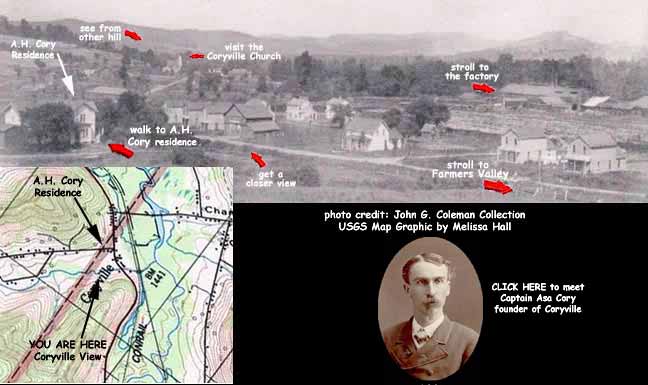
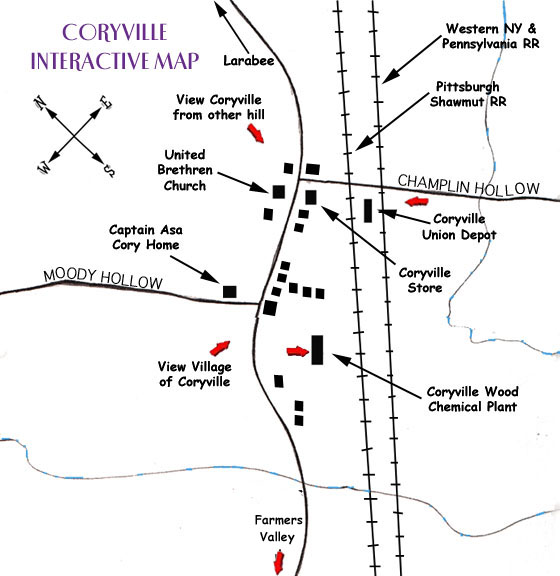
Farmers Valley, Coryville and Frisbee may be called synonymous terms. They all form a part of the old settlement of Farmers Valley, of which so much is written in the general history as well as in this chapter. In 1812 Francis King surveyed the fifty-acre tracts donated by John Keating Matthias Otto, Robert Gilbert, Jonathan Moore, Zachariah, Thomas and William Ashley.The old post-office of Farmers Valley dates back to early in the "thirties," when Timothy R. Robbins was master. Thomas Goodwin, Jackson Otto and F. C. Olds have filled the office. The post-office of Coryville was established in 1872 with Asa H. Cory, masters, who has been continued in office since.
The Union Church of Farmers Valley was built early in the "fifties" through the exertions of A. J. Otto and Arnold Southwick. Dan Lennox was the
carpenter and builder. It has been open to all denominations, but the United Brethren may be said to be the principal worshipers.The United Brethen Church at Coryville, or Frisbee, was built in 1878-79 on land donated by A. H. Cory. The building cost over $2,000.
The United Brethen Society of Farmers Valley was founded October 19, 1867, with William S. Moore, T. R. Robbins, the Southwicks and John
Holmes the elder, as organizers.The E. A. U. lodge of Farmers Valley was organized in February, 1886, with A. R. Tubbs, Mrs. Otto, J. H. McQuade, Mrs. Tubbs, Mrs. Ellen Otto. J. L.
Bean, A. Tyler, F. C. Olds and Dr. R. J. Sharp, officials.TheTidewater pump station was established near A. H. Cory's house, but owing to the absence of gas the pumping works were moved to Rixford. On
June 19, 1887, a 25,000-barrel tank was burned, 1,000 teams bringing people to witness the fire. The remaining tanks were moved to Ohio in 1888.Lucius Rogers built the first steam saw, shingle and planing mill in Nunundah Creek valley in 1885. Prior to that time saw-mills run by steam and
water-power were common along the banks of this stream, and a few are found today using up the remnant of pine and hemlock of the valley and hills.
Village
of Coryville in 2004
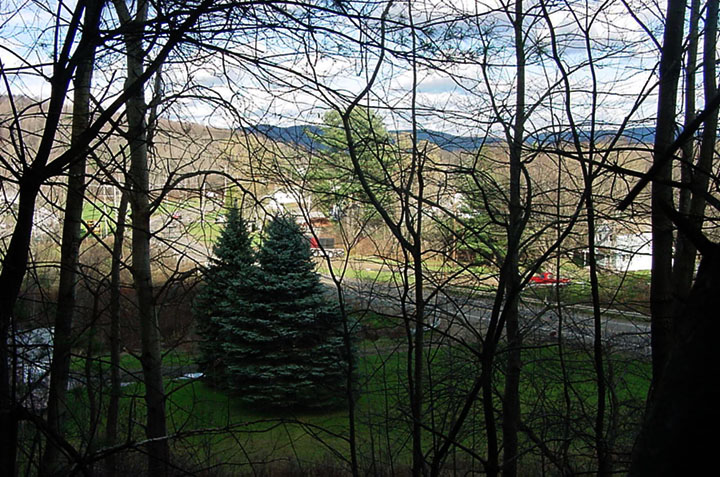
photo credit: Melissa Hall 2004
 months,
and for about two weeks before had been confined to her bed. During this
illness, she was unconscious a greater part of the time and did not realize
all the suffering she passed through.
months,
and for about two weeks before had been confined to her bed. During this
illness, she was unconscious a greater part of the time and did not realize
all the suffering she passed through.